Reducing Transit Damage with Proper Strapping
Guide to eliminating transit damage and returns with proper strapping
Transit damage is more than just an inconvenience, it's a direct hit to profitability, customer satisfaction and operational efficiency. While many factors contribute to transit freight damage, one of the most common (and preventable) causes is poor load restraint.
Proper strapping is not just the final step in packing, it is a critical safeguarding process that protects your products, your brand reputation, and your bottom line.
Why proper strapping is non-negotiable
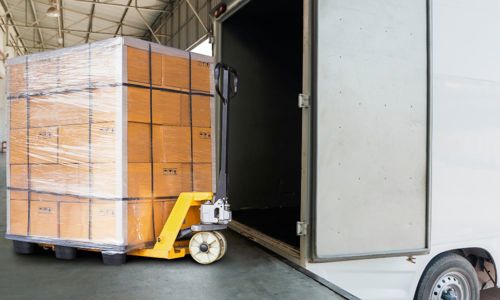
Poorly secured loads shift, vibrate, compress and collide during transport. The result is crushed cartons, scuffed products, broken seals, and in the worst cases, total load failure. Every damaged shipment triggers a costly chain reaction including customer complaints, product replacements, reverse logistics, insurance claims and lost trust.
By comparison, a professionally strapped load provides consistent load stability, impact resistance, and tamper security. The relatively small cost of correct strapping upfront delivers major savings at the back end by dramatically reducing transit damage and returns.
The benefits are especially critical for:
High value products - Electronics, luxury items, and branded goods where any cosmetic damage affects resale value.
Sensitive products - Pharmaceuticals, medical supplies and food products that must maintain integrity and compliance throughout transit.
Customer trust - Secure, tamper-evident packaging signals quality, safety and professionalism to your end customer
When businesses focus on how to reduce transit damage at the strapping stage, they often see improvements right across their supply chain.
A practical 5-Step process for reducing transit damage
Reducing transit freight damage requires a structured, repeatable approach that any warehouse team can apply. The following five steps form a practical plan to improve load security, pallet stability and shipping outcomes.
Assess load type, shape and stability
Every effective strapping solution starts with understanding the load itself. The first question to ask is whether the load is rigid or compressible. A load of steel or bricks will remain structurally unchanged during transit, while stacked cartons, paper products, or bagged goods will naturally settle, shrink over time or under the pressure of strapping. If this compression isn't accounted for, the strap will loosen during transit.
Next, assess whether the load includes sharp edges or irregular shapes. Sharp corners can cut or weaken the wrong type of strap, while uneven shapes create inconsistent tension points that increase the chances of loads shifting.
This initial assessment acts as the "diagnosis" that determines everything that follows.
Select the correct strapping material for the job
Once the load is understood, the correct strapping material becomes the "prescription".
For some rigid, heavy, or sharp-edged loads, steel strapping might be the preferred or only solution. Steel strapping dominates when it comes to pure strength, but it has minimal stretch or elasticity. Steel is trusted in demanding applications such as strapping metals, timber and other heavy manufacturing materials, where rigid load restraint is essential. FROMM offers a full range of automatic steel strapping machines engineered and tested for Australian heavy industry use.
For products that compress or shock-prone loads, PET strapping delivers superior performance. Best described as a strong, dynamic muscle, PET retains tension as cartons settle and absorbs impact during transport, reducing the risk of strap failure. FROMM manufactures and supplies quality PET plastic strapping solutions engineered for consistency and performance.
Choosing the wrong material is one of the fastest ways to increase transit damage.
Apply precise and consistent tension
Strapping that is too loose allows cartons to vibrate and rub against each other, leading to scuffing, abrasion and internal product damage. Strapping that is too tight can crush box corners, distort packaging and damage the product inside.
The key is repeatable, calibrated tension applied consistently across every load. The idea is to remove guesswork and to ensure load security is not dependent on operator strength or experience.
FROMM's battery strapping tools are designed to apply exact, pre-set tension every time, delivering reliability, control and operator safety across strapping applications.
Use Automation for unbeatable consistency and efficiency
As throughput increases, manual strapping alone can become inconsistent and labour intensive. This is when businesses look to upgrade to automatic strapping machines.
Automation delivers three major benefits:
- Speed - Faster throughput without sacrificing quality
- Precision - Every strap is applied with identical tension and placement
- Labour optimisation - This allows operators to shift away from manual handling and focus on tasks that deliver greater operational value, while lowering the risk of repetitive strain injuries
FROMM's full range of automatic strapping machines supports businesses across logistics, manufacturing, timber, food and distribution industries.
Do the final checks
Even the best strapping process benefits from continuous improvements. Regular inspections should confirm strap alignment, corner protection, seal integrity and overall pallet stability.
FROMM works with customers using data-driven analysis of material usage, machine performance and damage rates to identify tangible opportunities for improvement and cost reduction.
Build a reputation for reliability
Reducing transit damage is not a matter of chance, it is the result of a deliberate, professional load securing process. When businesses invest in the right strapping materials, tools and machines, they reduce transit damage, minimise costly returns, and strengthen customer confidence.
To explore strapping solutions or speak with a FROMM specialist about how to reduce transit freight damage in your business, browse our strapping solutions page or contact the FROMM Packaging Australia team today.
Got questions? Contact us or talk to an expert on 1800 940 356
FAQs Eliminating Transit Damage and Returns with Strapping
Steel has a higher ultimate breaking strength, but PET is often superior for applications where loads compress or settle. PET maintains tension as the load changes and absorbs transit shocks that could cause a rigid steel strap to fail.
Not necessarily for every product, but different load types often require different strapping materials, tension, or machine configurations. A professional assessment ensures the most efficient and protective solution for each category.
Alongside proper strapping, businesses should use correctly sized cartons, quality adhesives, strong pallets and crates, and ensure fragile items are separated and properly protected. For tailored advice, the FROMM team can assess your full packaging process.
Trusted By Companies Large And Small Across Australia