7 Tips To Maximise Your Container Desiccant Efficiency
If you have ever opened a shipping container to find water dripping from the roof onto products, you have experienced what is commonly known as container rain or cargo sweat.
This occurs when temperature fluctuations cause warm, moisture laden air inside the container to condense on cooler surfaces. The result is water droplets forming on the roof and walls, eventually falling onto your cargo.
For industries shipping timber, steel, food or manufactured goods, this can lead to corrosion, mould, product damage and rejected deliveries. The right use of desiccant bags is one of the most effective ways to control this risk.
What are container desiccant bags?
Container desiccant bags are moisture absorbing solutions designed to control humidity inside sealed shipping containers. Typically made from calcium chloride, silica gel or clay, they absorb water vapour from the air and convert it into a gel or trapped moisture.
Used correctly, container desiccants prevent condensation, reduce humidity and protect cargo from moisture related damage during transit.
Key factors that affect container desiccant performance
Before selecting a desiccant for container shipping, it is important to understand what influences its effectiveness:
- Temperature fluctuations can impact condensation cycles and absorption rates
- Container size and volume determines how much desiccant is required
- Transit duration affects total moisture exposure
- Humidity levels and climate zones can increase the moisture load
- Cargo type and packaging materials may introduce additional moisture
Understanding these variables can assist you to ensure your container desiccant is used effectively.
Pro tips to maximise container desiccant efficiency
Tip 1: Calculate, don't guess, your desiccant needs
The number of desiccant bags required is not arbitrary. It depends on container size, cargo type, voyage duration and environmental conditions.
Why it matters:
Too few desiccant bags leave your cargo exposed to damage. Too many increases costs without any added benefit. Accurate calculation ensures effective moisture control.
Tip 2: Inspect the container before loading
Always inspect the container for structural issues before loading. Check for:
- Damaged door seals
- Holes or cracks
- Damp flooring
Why it matters:
Desiccants are designed to manage internal moisture. External leaks will overwhelm the bags and reduce the effectiveness
Tip 3: Seal all container vents
Seal internal ventilation grills using heavy duty tape or covers.
Why it matters
Open vents allow continuous humid air to enter. Sealing them creates a controlled environment where desiccants can perform effectively.
Tip 4: Strategically place your desiccant bags
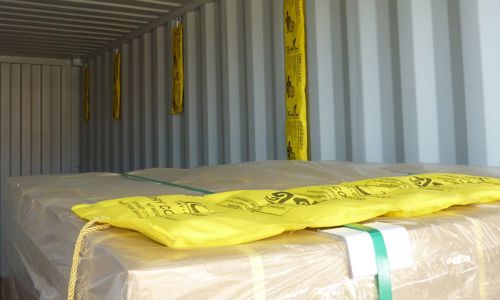
Hang desiccant bags from lashing rings and position them high along container walls. Distribute them evenly across the length of the container.
Why it matters
Warm, moist air rises. Placing desiccants higher captures moisture before it condenses. One of FROMM's solutions, dry guard shipping container desiccant, is designed specifically for this application, allowing effective placement and maximum absorption performance.
Tip 5: Minimise moisture exposure from pallets and packaging
Ensure pallets, cartons and packaging materials are dry before loading.
Why it matters:
Moisture from timber or cardboard can significantly increase humidity levels during transit, reducing desiccant effectiveness.
Tip 6: Keep desiccant sealed until use
Store desiccant bags in sealed packaging until immediately before installation.
Why it matters:
Exposure to ambient air begins the absorption process prematurely, reducing available capacity once inside the container.
Tip 7: Choose the right type of desiccant
Different desiccants suit different applications.
FROMM offers a full range of solutions to suit different requirements:
- Shipper Container Desiccant with Active Mineral MBD99 - Designed for cartons and product level protection.
- Dry Guard Shipping Container Desiccant - Ideally for hanging placement in shipping containers with high performance absorption.
- Dry Cover Shipping Container Desiccant - Designed to protect specific products directly within the container.
The final step in a secure supply chain
Moisture damage is one of the most preventable risks in shipping, yet it continues to impact cargo across industries. With global conditions causing shipping delays and extended transit times, businesses cannot afford to lose products to damage or be forced to write a portion of the shipment off upon arrival.
Using desiccant bags correctly is not just about adding moisture control. It is about protecting product quality, reducing losses and maintaining customer confidence.
At FROMM Packaging Australia, desiccant solutions are part of a broader approach to load protection. From containment to protection, every element is designed to perform in real transport conditions.
If you are unsure about what solution is right for your business, speak with a FROMM specialist to assess your application and recommend the right solution. Contact us, to speak with one of our friendly team members today.
Trusted By Companies Large And Small Across Australia